Ever wondered how pros can service a single faucet without cutting water to your entire house? The answer is a compact yet powerful part many homeowners ignore until it suddenly matters.
Buy Angle Stop Plumbing
An angle stop valve acts as your plumbing system’s unsung hero. This key water shutoff valve sits quietly behind toilets and under vanity cabinets, prepared to help when leaks strike or repairs are needed. These small valves control water flow with a right-angle path, so they’re great for cramped areas where traditional straight valves won’t fit.
Angle stops work as individual control points for individual fixtures around the house. Rather than turning off water to the whole house, you can isolate a single fixture for maintenance or emergencies. This simple feature can prevent water damage and simplifies DIY fixes.
Understanding what is an angle stop valve and how it operates will empower you to deal with plumbing problems more confidently. Installation Parts Supply along with other big suppliers offer various styles to match any plumbing need. From quarter-turn designs to compression connections, each type serves specific purposes in residential and commercial settings.
This guide will walk you through what you need to know about these important plumbing valves. You’ll discover the various types, installation methods, and simple maintenance tips that can save you time and money.
What Is An Angle Stop Valve
A plumbing angle stop valve serves as a key shutoff valve in both residential and commercial plumbing. These small valves take their name from their signature L shape, where water flows in through one side and exits through a 90-degree turn. Understanding what is an angle stop helps homeowners manage their plumbing systems more effectively and deal with basic repairs without calling a professional.
Definition And Basic Function
Angle stops are specialized shutoff valves designed to control water flow to individual plumbing fixtures including toilets, sinks, and dishwashers. Unlike whole-house shutoff valves that control water to your entire home, a sink angle valve provides targeted control. That means you can service a dripping faucet or replace a toilet without disrupting water service in the rest of the home.
How Angle Stop Valves Work
Angle stops operate is based on a straightforward mechanism. As you turn the handle, an internal component shifts to stop flow or allow flow. Quarter-turn models typically use a ball or disc that turns a quarter turn, and multi-turn models use a washer that lifts away from the valve seat. This simple design helps make these valves reliable for many years with minimal maintenance.
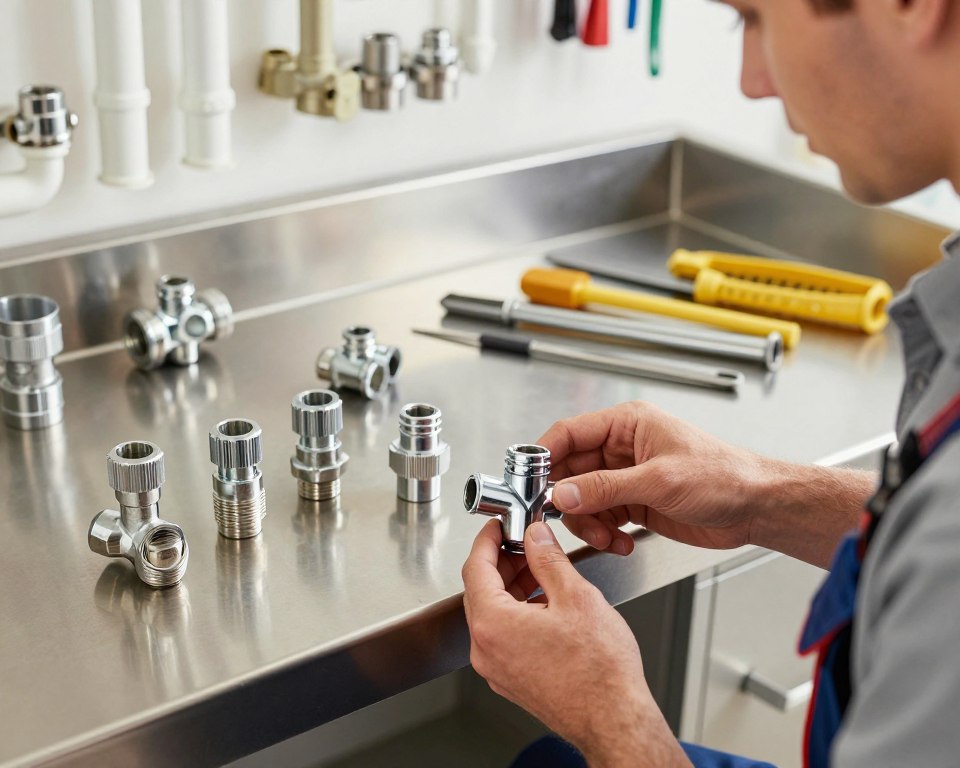
Key Components Of An Angle Stop
Any angle stop used for a sink or toilet has a few critical parts:
- Body: The primary brass housing that connects to the pipe
- Handle: The part you rotate to open or close the valve
- Inlet: Where water enters from the wall stub-out
- Outlet: Connection point for supply lines to fixtures
- Internal cartridge: The ceramic or brass mechanism that controls flow
Types Of Angle Stop Valves
When working with angle stop plumbing setups, selecting the right valve type can make a major difference in your system’s performance. Different angle valve types bring different advantages for specific uses. Each design fills a particular role, from quick shutoffs to fine flow control.
Quarter Turn Angle Stop
A quarter-turn angle stop operates with just a 90-degree rotation of the handle. This type uses ceramic disc cartridges for smooth operation and long service life. One quick twist shuts water off immediately, making it perfect for emergency situations. These valves work great in updated homes where quick shutoff matters.
Multi-Turn Angle Valves
Multi-turn angle valves require multiple handle turns to open or shut fully. This style provides better control over water flow rates. The slower adjustment makes these valves ideal for applications where you want to fine-tune pressure. Older homes still use these reliable valves.
Compression Fitting Valves
A compression-type valve connects to pipes with compression nuts and ferrules. No soldering required or special tools needed—simply tighten the fitting to create a watertight seal. These valves are still popular for home plumbing because they’re easy to install and replace.
Angle Stop Valves With Filters
Some angle stop setups include built-in mesh filters that catch debris before it reaches fixtures. Filters like these protect delicate appliances like washing machines and dishwashers from sediment damage. That integrated design conserves space and removes the need for separate filter installations.
| Valve Type | Operation | Best Use |
|---|---|---|
| Quarter Turn | Quarter-turn rotation | Emergency shutoff |
| Multi-Turn | Multiple handle turns | Fine flow control |
| Compression | Compression-style fitting | DIY-friendly install |
| With Filters | Integrated filtration | Protecting appliances |
Common Applications And Locations
Angle stops function as key control points throughout residential plumbing systems. These valves show up in almost every room with water fixtures, giving quick shutoff access for maintenance or emergencies. From bathrooms to kitchens, each location calls for specific valve placement to ensure proper water flow control.
Under Sink Valve Installations
An under sink valve is commonly installed as a pair under bathroom vanities. The left valve handles hot water and the right controls cold water to the faucet. They usually sit approximately 18 inches below the sink rim, tied directly into the supply lines. Typical sizing includes 1/2 inch for home use and 3/8-inch outlets for faucet supply tubes.
Toilet Shut Off Valve Placement
Every toilet shut off valve mounts on the wall behind or beside the toilet bowl. This single valve controls the cold-water flow to the tank, positioned roughly 6 to 8 inches above the floor. Quick access to this valve helps prevent water damage during toilet repairs or overflow situations.
Kitchen Sink Supply Valve Uses
A kitchen sink supply valve handles higher water demands than bathroom fixtures. Kitchen installations require two valves beneath the sink cabinet to manage hot and cold lines. These valves may also connect to dishwashers and filtration systems via extra outlets.
Bathroom Water Supply Valve Applications
Each bathroom water supply valve may support multiple fixtures in addition to sinks. Shower valves control temperature mixing, and bidet attachments often need dedicated angle stops. Bathroom-installed water heaters require valves rated for higher temperature and pressure.
| Location | Number of Valves | Common Size |
|---|---|---|
| Bathroom Sink | 2 | 1/2″ x 3/8″ |
| Toilet | 1 | 1/2″ x 3/8″ |
| Kitchen Sink | 2 | 1/2″ x 3/8″ |
| Dishwasher | 1 | 1/2″ x 3/8″ |
Materials And Construction
The quality and lifespan of your plumbing system depends heavily on the materials you choose for angle stop valves. Various materials bring different benefits for specific applications and budgets. Understanding these options helps you select durable fixtures that will last for years.
A brass angle valve continues to be the go-to standard in residential plumbing. This alloy mixes copper and zinc to produce a very strong material that resists corrosion even in damp environments. Brass valves can handle higher water pressure without cracking and stay strong through thousands of on-off cycles. Brass’s natural antimicrobial properties prevent bacterial growth inside the body.
A copper angle stop offers similar durability with excellent heat resistance. Copper builds a protective patina with time that shields against corrosion. Many plumbers prefer copper for hot lines since it tolerates temperature swings better than plastic alternatives.
| Material | Lifespan | Cost Range | Best Use |
|---|---|---|---|
| Brass | 20–50 years | $15-$40 | Most applications |
| Copper | 30-50 years | $20 to $45 | Hot water lines |
| Chrome-plated brass | 15–30 years | $10-$30 | Visible installs |
| Stainless steel | 25-40 years | $25 to $60 | Commercial applications |
Standard residential installations typically use 1/2 inch angle stop valves to connect directly to supply lines. Smaller 3/8-inch or 1/4-inch sizes fit appliances such as dishwashers and ice makers. Material compatibility matters—brass works well with copper, while CPVC systems often need specific valve types to prevent unwanted reactions.
Benefits Of Installing Angle Stops In Plumbing
Installing angle stops in home plumbing delivers practical advantages that simplify water control and improve efficiency. These small yet powerful fixture control valves improve the way you handle day-to-day plumbing needs and unexpected water issues.
Individual Fixture Control
Each water shut off valve allows you to control water flow to a specific fixture without shutting down the whole house. Need to repair a faucet leak in a bathroom? Just shut the angle stop beneath that sink while everyone else keeps using water in other parts of the home. This targeted shutoff avoids the hassle of shutting off the main supply for minor repairs.
Emergency Water Shut Off
If a pipe bursts or a fixture fails, time matters. Plumbing angle stops deliver instant shutoff right at the source of trouble. Instead of scrambling for the main shutoff in a basement or garage, you can stop water damage immediately by shutting the nearby valve. This quick response often saves a lot of money in water damage repairs.
Maintenance And Repair Convenience
Regular maintenance gets easier when you have fixture control valves installed. Changing toilet parts, adding new faucets, or stopping drips takes minutes instead of hours. You won’t have to drain entire water lines or wait for plumbers for small fixes.
Water Conservation Advantages
Angle stops reduce water waste because they let you quickly fix leaks and drips. Their efficient design minimizes pressure drops, helping ensure good flow while reducing unnecessary water loss via worn fixtures.
Choosing The Right Angle Stop For Your Needs
Choosing the right angle stop can spare you future hassles and expensive repairs. Begin by looking at the material quality. Brass valves stand out for long-term durability, often lasting decades without major corrosion or wear. For plumbing valve sizing, measure your water supply line carefully—most residential homes use 1/2 inch connections, but some fixtures need 3/8-inch or 3/4-inch sizes.
When picking angle valve options, look at your exact use case. Quarter-turn valves are great for quick shut-offs during emergencies. Multi-turn valves offer better flow control, which is great for washing machines or dishwashers. If you have hard water, consider valves with built-in filters to help protect fixtures from mineral buildup.
The best angle stop valve matches both your pipes and your style. Make sure you know if you need threaded, soldered, or compression connections before you buy. Chrome finishes fit modern bathrooms, and brushed nickel or oil-rubbed bronze pair well with traditional spaces. Reliable brands such as Moen, Delta, and SharkBite offer reliable products with warranties ranging from 5 to 10 years.
Professional plumbers recommend keeping these factors in mind when selecting an angle stop:
- Valve operation type (quarter-turn vs. multi-turn)
- Connection method compatibility with existing pipes
- Handle design for easy access in tight spaces
- Certification marks (NSF, UPC) for code compliance
- Price range matching quality expectations
Installation Guide For Angle Stop Valves
Proper angle valve installation needs good prep and the right technique to keep leaks away. This plumbing installation guide takes you through safe and efficient angle stop installation. Whether you’re replacing an old valve or adding a new valve, following the steps helps your DIY install go smoothly.
Tools And Materials Required
Before you begin installation, collect these essential items:
- Adjustable wrench or channel lock pliers
- Thread tape (Teflon tape)
- Bucket to catch water
- Rags or towels
- Pipe cutter (if needed)
- New angle stop valve
Step-By-Step Installation Process
Angle stop installation is simple when you stick to the steps:
- Shut off the main water supply to the home
- Drain the remaining water into a bucket
- Take off the old valve if applicable
- Check the arrow on your new valve body for flow direction
- Wrap the threads clockwise with three layers of tape
- Thread the valve on by hand
- Tighten with a wrench about a half turn more
- Connect the fixture supply line to the outlet
- Turn water back on and check for leaks
Common Installation Mistakes To Avoid
Your DIY angle valve project can go wrong without proper care. Putting the valve on backwards against the flow arrow stops water from reaching the fixture. Cranking connections too tight can strip threads and damages compression fittings. Using mismatched connection types or incorrect sizing often leads to leaks right away. This installation guide suggests checking compatibility before purchasing.
Maintenance And Troubleshooting
Proper angle valve maintenance keeps the plumbing system running smoothly and reduces water damage risk. Regular checks and timely repairs help save money and help protect your home from surprise leaks. Recognizing when it’s time to troubleshoot angle stop valves helps you catch problems before they escalate.
Regular Maintenance Tips
Easy plumbing maintenance keep angle valves working properly for years. Turn each valve on and off every three months to prevent mineral buildup. Check for moisture around the body when you inspect. Apply plumber’s grease to stiff handles to make operation smoother. Wipe off visible corrosion with a soft cloth and mild cleaner.
Signs Of A Failing Angle Valve
Look for these red flags that suggest the valve may need replacing:
- Water dripping from the valve body or handle
- Difficulty turning the handle even after lubrication
- Green/white crusty buildup on brass valves
- Water stains on nearby walls or cabinets
- Reduced water flow when valve is fully open
When To Replace Your Angle Stop
Understanding the right time to replace prevents emergency situations. Replace your angle stop when leaking continues after you tighten connections or when the handle won’t move. Quality brass valves typically last 15-20 years, while plastic models may need replacement after 5–10 years.
| Valve Age | Replacement Urgency | Action Required |
|---|---|---|
| 0 to 5 years | Low | Annual inspection only |
| 5-10 years | Medium | Check twice per year |
| 10+ years | High | Consider preventive replacement |
Where To Buy Quality Angle Stop Valves
Picking the right supplier to purchase angle stop valves makes all the difference when you want a smooth project. A number of trusted angle valve suppliers stock wide selections with good pricing and helpful guidance to help you pick the best valve for your job.
Installation Parts Supply is a top pick as a go-to source for quality plumbing products. They stock everything from heavy-duty ball valves for main water lines to smaller angle stops designed for tight spaces under sinks. Plumbers and DIY homeowners trust their large selection of premium shut-off valves. The company backs their products with helpful customer support and technical assistance.
As you shop for angle valve suppliers, look at these reputable sources:
- DK Hardware focuses on 90-degree shut-off valves that work well in kitchens and bathrooms
- VPEXCO provides industrial-grade and residential angle valves for various applications
- Jaquar supplies premium angle stops supported by 10-year warranties
- Ferguson Plumbing Supply carries professional-grade valves with nationwide availability
Before purchasing angle stop valves, verify compatibility with your existing plumbing system. Verify the inlet and outlet sizes, connection style, plus pressure ratings. High-quality fixtures come from manufacturers that provide detailed specs plus warranty coverage. Look for suppliers offering technical support to guide your selection based on your application needs. Most reputable dealers provide online resources, installation instructions, and support teams prepared to answer questions about selecting the right valve.
Conclusion
This guide to angle stop valves covered the essentials about these essential plumbing components. From standard quarter-turn valves to more advanced designs with built-in filters, water control valves play a vital role in modern homes. They control water flow, help prevent costly leaks, and keep your plumbing system running smoothly for years.
Fixture shut off valves give you full control over individual water sources around your home. Whether you need to repair a dripping faucet under the bathroom sink or swap a toilet fill valve, these valves make the job simple and safe. Without angle stops, even simple repairs could require shutting off water to your entire house. This amount of control can protect your home from water damage and makes routine maintenance far easier.
Picking the right plumbing options begins with understanding your needs and selecting durable materials. Suppliers like Installation Parts Supply carry angle stop valves made with precise engineering and durable construction. A good valve mixes reliable performance with style, ensuring even functional components enhance your home’s overall design.
When you invest in quality water control valves and maintaining them properly, you build a more efficient, reliable plumbing system. Regular checks, timely swaps, and correct installation techniques will keep your fixture shut off valves working perfectly. This angle stop valve guide has provided the know-how to make informed choices about your home’s plumbing needs for many years ahead.
FAQ
What Is An Angle Stop Valve And How Does It Differ From Regular Valves?
What’s The Difference Between A Quarter Turn Angle Stop And A Multi-Turn Valve?
Where Are Angle Stops Typically Installed In Plumbing Systems?
What Size Angle Stop Valve Do I Need For My Bathroom Or Kitchen?
Are Copper Angle Stop Valves Better Than Brass Ones?
How Do Compression Fitting Valves Work With Angle Stops?
What’s The Proper Way To Install An Angle Valve For A Sink?
How Often Should I Replace My Toilet Shut Off Valve?
Can I Install Angle Stops Myself Or Should I Hire A Plumber?
What Causes An Under Sink Valve To Fail?
How Do I Maintain My Bathroom Water Supply Valve?
What’s The Difference Between An Angle Stop And A Regular Water Shut Off Valve?
Where Can I Find Quality Kitchen Sink Supply Valves?
Related: When A 1/4 Angle Stop Is The Best Choice For Appliance Hookups